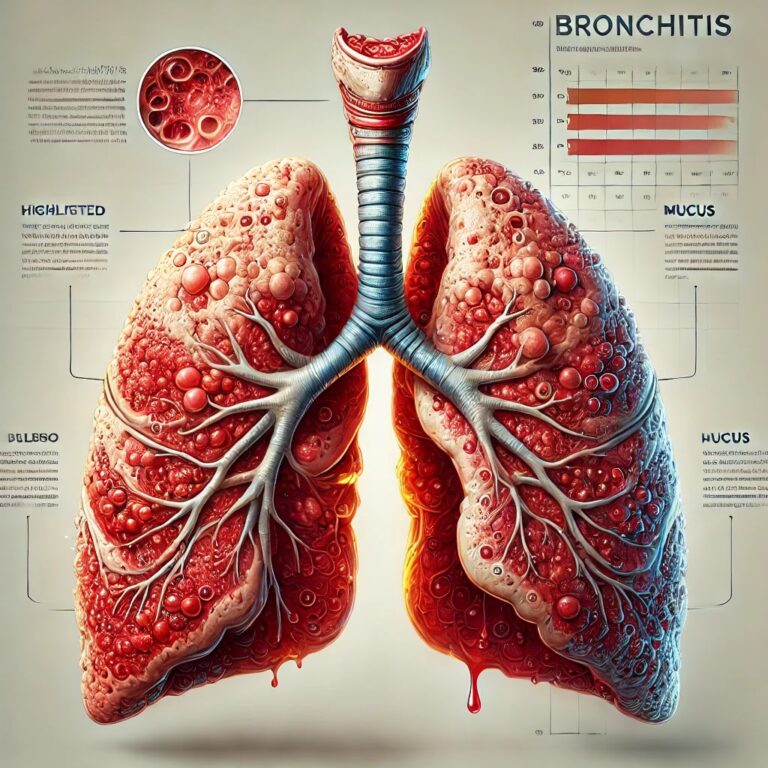
Homeopathy for Flu: Classical Remedies, Oscillococcinum and What the Evidence Shows
Homeopathy for flu is one of the most searched topics in homeopathy, and Oscillococcinum sits on many pharmacy shelves. This article explains how classical homeopathic texts describe flu and its remedies, what the research found, and which steps medicine recommends. You will be able to tell tradition from evidence at a glance.
This article is for information only and is not medical advice. Talk to a doctor before using any remedy, especially for a diagnosed condition, during pregnancy or for a child.
Flu symptoms and at higher risk? Call your doctor within two days.
Prescription antiviral medicines work best when started within 48 hours of the first symptoms. This matters most for adults 65 and older, children under 5, pregnant women, and anyone with asthma, diabetes, heart disease or another chronic condition.
Go to an emergency department for trouble breathing, chest pain, confusion, seizures, or a fever or cough that improves and then returns. See the full lists in CDC flu signs and symptoms.
Why flu is more than a bad cold
Most people recover from flu in a few days to two weeks. That familiarity makes it easy to underestimate. The WHO estimates about one billion flu cases worldwide each year, with 3 to 5 million cases of severe illness. It attributes 290,000 to 650,000 respiratory deaths to seasonal flu every year.
Flu can lead to pneumonia, which can be life-threatening. The CDC also lists inflammation of the heart, brain or muscles, sepsis and multi-organ failure among its complications. It can make asthma and chronic heart disease suddenly worse.
So this article keeps two things side by side. Homeopathy has a long, detailed tradition around flu that is worth understanding. Flu is also a serious infection with proven treatments and a vaccine.
Does homeopathy for flu work? What the evidence shows
Start with the big picture. In 2015, Australia’s National Health and Medical Research Council reviewed homeopathy research across many conditions. It found no health condition with reliable evidence that homeopathy is effective. The US National Center for Complementary and Integrative Health (NCCIH) cites that finding.
The UK House of Commons Science and Technology Committee came to a similar view in 2010. Its Evidence Check 2 report concluded homeopathy works no better than placebo. It also described the proposed mechanisms as scientifically implausible.
The Oscillococcinum Cochrane review
Flu is unusual because one homeopathic product has its own Cochrane review. Oscillococcinum is a branded preparation made from wild duck heart and liver extract. That 1% solution is diluted 200 times in the centesimal (C) scale.
The 2015 review by Mathie, Frye and Fisher pooled six placebo-controlled trials. Two tested prevention in 327 adults. Four tested treatment in 1,196 teenagers and adults.
| Question | What the review found |
|---|---|
| Does it prevent flu-like illness? | No statistically significant difference from placebo |
| Does it relieve symptoms? | A small difference at 48 hours and 3 days, none at 4 or 5 days. The authors said bias in the trials might explain it. |
| How good is the evidence? | Low quality, with poor reporting and unclear risk of bias |
| Is it harmful? | No clinically important harms found. One trial reported one headache. |
| Bottom line | Not enough good evidence for firm conclusions. A useful effect was not ruled out, but the evidence was not compelling. |
Notice what the review did not test. It did not compare Oscillococcinum with antiviral medicine or the flu vaccine. It did not study high-risk groups such as older adults, young children or pregnant women. Nothing in it supports replacing medical care.
One more historical note helps explain scientists’ doubts. The French physician Joseph Roy developed the preparation in the 1920s. He believed he had seen a bacterium he called the “oscillococcus” in flu patients. No such organism has ever been confirmed, and flu is caused by a virus.
What flu is: two ways of classifying the same illness
How conventional medicine classifies flu
Influenza is an acute respiratory infection caused by influenza viruses. Types A and B cause the seasonal epidemics. The virus spreads through droplets from coughs and sneezes and through contaminated hands. According to the WHO, symptoms usually start about two days after infection, within a range of one to four days.
| Feature | Flu | Common cold |
|---|---|---|
| Onset | Sudden | Gradual |
| Fever, aches, headache | Common | Rare |
| Sneezing, stuffy nose, sore throat | Sometimes | Common |
| Exhaustion and severe cough | Common | Uncommon |
| Vomiting, diarrhea | Sometimes, more in children | Rare |
Based on the CDC’s flu and cold comparison. Not everyone with flu has a fever.
How homeopathy categorizes flu
Classical homeopathy treats epidemic flu as an acute collective disease. In the Organon of Medicine, Hahnemann describes studying many patients during an epidemic. The aim is to find the shared symptom picture of that particular outbreak.
The remedy that matches this shared picture is called the genus epidemicus. Tradition teaches that it may differ from one flu season to the next. Within that frame, individual patients are still matched one by one to their own symptoms.
How the homeopathic method approaches flu
Homeopathy rests on two ideas, as NCCIH summarizes. The first is “like cures like”: a substance that causes symptoms in healthy people is believed to cure similar symptoms in sick people. The second holds that greater dilution makes a preparation act more strongly.
In flu, practitioners pay close attention to modalities. These are factors that make symptoms better or worse, such as movement, warmth, time of day or company. Thirst, chilliness and mood carry as much weight as fever or cough. That is why flu remedy descriptions read like character sketches.
The tradition’s questions
- How fast did it start, and after what?
- Does the person want to move or lie still?
- Thirsty for big drinks, small sips, or nothing?
- Chilly or hot? Better or worse from warmth?
- Restless and anxious, or dull and drowsy?
Medicine’s questions
- When did symptoms start? Within 48 hours?
- Is the person in a high-risk group?
- Any emergency warning signs?
- Is a flu test needed?
- Is antiviral treatment appropriate?
The left column shows how a classical homeopath gathers information. The right column shows the decisions that affect recovery and safety. Only the right column is supported by evidence.
Homeopathic remedies for flu as classical literature describes them
The descriptions below summarize classical homeopathic literature, mainly William Boericke’s Materia Medica and James Tyler Kent’s lectures. They record what the tradition teaches. None is evidence that a remedy works. Our introduction to homeopathy covers the method’s history and principles.
Several source substances on this list are poisonous in their natural form, including aconite, belladonna, gelsemium and arsenic. Highly diluted products are a different matter. Low dilutions and tinctures, however, can still contain active amounts, as an FDA warning about belladonna teething tablets showed in 2017.
Gelsemium sempervirens
Source: Yellow jasmine, a poisonous vine. Leading symptoms in the literature: a slow onset with heavy, drooping eyelids, chills running up and down the spine, aching muscles and trembling weakness. Mental picture: dull, drowsy and wanting to be left alone. Thirst: described as thirstless, even with fever. Described causes: warm, damp weather, or emotional dread such as anticipation and bad news. It is often called the classic flu remedy in homeopathic writing.
Eupatorium perfoliatum
Source: Boneset, a North American wildflower long used in folk medicine. Leading symptoms in the literature: intense aching that feels deep in the bones, sore eyeballs and a hoarse cough. Thirst: for cold drinks, with chills often described in the morning. Mental picture: restless from pain, yet the aching is not relieved by moving. The plant’s common name reflects its old use for “break-bone” fevers.
Bryonia alba
Source: White bryony root. Leading symptoms in the literature: a slow onset, a dry painful cough, a headache worsened by coughing, and very dry lips and mouth. Mental picture: irritable and wanting to stay perfectly still and alone. Thirst: for large drinks of cold water at long intervals. Modalities: worse from any motion, better from pressure and rest. More on its history is in our article on Bryonia.
Arsenicum album
Source: Arsenic trioxide, a toxic compound. Leading symptoms in the literature: exhaustion out of proportion to the illness, burning pains, a watery burning nasal discharge and chilliness. Mental picture: anxious, restless, fussy and fearful of being alone. Thirst: frequent small sips. Modalities: worse after midnight and from cold, better from warmth.
Rhus toxicodendron
Source: Poison ivy. Leading symptoms in the literature: stiff, aching muscles that feel worse at first movement and better from continued motion. Mental picture: restless and unable to find a comfortable position. Modalities: worse from cold damp weather and rest, better from warmth and movement. Described causes: getting wet or chilled after sweating.
Nux vomica
Source: Seeds of the poison nut tree, which contain strychnine. Leading symptoms in the literature: strong chilliness, a stuffed nose at night with a runny nose by day, and digestive upset. Mental picture: irritable, impatient and oversensitive to noise and light. Modalities: worse from cold air and any uncovering, better from warmth and rest.
Aconitum napellus and Belladonna: the sudden starters
Classical texts reserve both for the very first hours of a sudden, violent onset. Aconite is described with dry heat, intense thirst, fear and restlessness, often after exposure to cold dry wind. Belladonna is described with a flushed red face, throbbing headache, hot skin and dilated pupils. Both source plants are seriously poisonous.
Remedies for lingering symptoms
The literature names several remedies for what remains after the fever. Causticum is described for hoarseness and a cough with the sense that mucus is out of reach. Rumex crispus is described for a tickling cough triggered by cold air. Phosphorus is described for a tight chest and hoarseness with thirst for cold drinks. In medicine, a cough or fever that improves and then returns is a CDC warning sign for complications.
Comparison table: classical flu remedies at a glance
This table gathers the descriptions above into one view. Each row records what classical texts teach, not what a remedy does.
| Remedy | Traditional use in flu | Emotional and physical picture | Thirst | Tongue | Modalities |
|---|---|---|---|---|---|
| Gelsemium | Slow, heavy, drowsy flu | Dull, apathetic; droopy eyes, trembling | Thirstless | Trembling when put out | Worse damp warm weather, emotion |
| Eupatorium | Bone-deep aching | Restless from pain; sore eyeballs | Cold drinks | Yellow coating | Chills in the morning |
| Bryonia | Dry painful cough, slow onset | Irritable, wants stillness; dry mouth | Large cold drinks | Dry, white coating | Worse from motion, better pressure |
| Arsenicum album | Exhausted, chilly, burning | Anxious, restless, fussy | Frequent small sips | Dry and red | Worse after midnight, better warmth |
| Rhus tox | Stiff, aching muscles | Restless, can’t settle | Thirsty, often at night | Red triangle at the tip | Better from continued motion |
| Nux vomica | Very chilly flu with stomach upset | Irritable, impatient, oversensitive | Not characteristic | White coating at the back | Worse cold air, uncovering |
| Aconite | First hours, sudden fever | Fearful, restless; dry heat | Intense, cold water | White coating | Worse at night, cold dry wind |
| Belladonna | Sudden hot, flushed onset | Agitated; red face, wide pupils | Usually little | Red, “strawberry” look | Worse from jarring, light, noise |
Compiled from Boericke’s Materia Medica and Kent’s lectures. “Not characteristic” means the texts do not single out that feature.
Constitutional portraits in the homeopathic tradition
Classical homeopaths often describe remedies as personality types. These portraits represent the tradition’s view. They have not been tested as a reliable way to predict anything about health.
The Arsenicum type
Pictured as orderly, precise and anxious about health and security. Illness makes this person restless and eager for reassurance.
The Nux vomica type
Described as driven, competitive and short-tempered, often overworked and fond of stimulants.
The Gelsemium type
Portrayed as sensitive and prone to anticipatory nerves, such as stage fright before an exam or speech.
The Bryonia type
Described as serious and practical, often worried about work and money, and wanting peace and quiet.
Antidotes, complementary and follow-up remedies in classical texts
Materia medica books record how remedies relate to each other. An antidote is believed to cancel a remedy’s action. A complementary remedy is believed to complete another’s work. “Follows well” marks a common next choice when the symptom picture shifts.
| Remedy | Listed antidotes | Listed complement or follow-up |
|---|---|---|
| Gelsemium | Coffea, China, Atropine | Baptisia is often listed as a related remedy |
| Bryonia | Aconite, Chamomilla, Nux vomica | Alumina, Rhus toxicodendron |
| Arsenicum album | Opium, Carbo vegetabilis, China | Rhus toxicodendron, Carbo vegetabilis |
| Rhus toxicodendron | Bryonia, Sulphur | Bryonia |
| Nux vomica | Coffea, Ignatia | Sulphur, Sepia |
These relationships exist only within homeopathic theory. No clinical research supports them.
Potencies: what the C and X scales mean
Homeopathic labels show numbers such as 6X, 30C or 200C. These describe how many times a substance was diluted and shaken. This article gives no doses, schedules or potencies for flu or any other illness.
- X (or D) scale: each step is a 1 in 10 dilution. A 6X preparation has gone through six such steps, giving one part in a million.
- C scale: each step is a 1 in 100 dilution. A 6C preparation reaches one part in a trillion.
- Past 12C: on average, not a single molecule of the starting substance remains. Oscillococcinum, at 200C, sits far beyond that point.
- Tinctures and low X potencies: these can still contain measurable amounts of the source, which matters for toxic plants and minerals.
What helps with flu: proven treatment and prevention
Antiviral medicine
The CDC recommends prescription antivirals for people with flu who are at higher risk of complications. They also help people who are very sick or in hospital. Started within two days of symptoms, they can ease symptoms and shorten illness by about a day. Early treatment may also lower the risk of complications such as pneumonia.
Most healthy people with mild flu do not need antivirals. Antibiotics do not work against flu viruses, though doctors may prescribe them for a bacterial complication.
Rest, fluids and staying home
Rest and fluids support recovery and help prevent dehydration. The CDC advises staying home, except for medical care, until two things have held for at least 24 hours. Your symptoms should be improving overall, and you should be fever-free without fever-reducing medicine.
The yearly flu vaccine
The CDC recommends a flu vaccine every season for everyone 6 months and older, with rare exceptions. The WHO calls vaccination the best way to prevent flu. In seasons with a good match, the CDC reports vaccination cut the risk of a doctor visit for flu by 40% to 60%. The CDC estimates the 2019 to 2020 vaccine prevented about 100,000 hospitalizations in the US.
Emergency warning signs (CDC)
In adults
- Trouble breathing or shortness of breath
- Ongoing chest or belly pain or pressure
- Ongoing dizziness, confusion, hard to wake
- Seizures, or not urinating
- Severe muscle pain, weakness or unsteadiness
- Fever or cough that improves, then returns
In children
- Fast or hard breathing, ribs pulling in
- Bluish lips or face, or chest pain
- No urine for 8 hours, dry mouth, no tears
- Not alert when awake, or seizures
- Fever above 104°F not helped by fever reducers
- Any fever in a baby under 12 weeks
These lists are not complete. Contact a doctor for any severe or worrying symptom.
Common mistakes people make with homeopathy for flu
- Missing the 48-hour window. Waiting to see if a remedy works can mean starting antivirals too late. This matters most for high-risk people.
- Using a remedy instead of the vaccine. No homeopathic product prevents flu. The Cochrane review found no prevention benefit for Oscillococcinum.
- Assuming every product is pure water and sugar. NCCIH notes some homeopathic products contain substantial active ingredients that can cause side effects and drug interactions.
- Treating children and older relatives the same as healthy adults. These groups face higher risk of serious complications and need a doctor’s input sooner.
- Ignoring a second wave. Feeling better, then worse again, can signal pneumonia. It needs prompt medical care.
- Going back to work too soon. Wait 24 hours fever-free without medicine and with improving symptoms.
Precautions before using any homeopathic product
- Never use homeopathy instead of medical care for flu or any other infection.
- Never use it instead of care for a serious illness, a child, or during pregnancy. Pregnant women are at higher risk of severe flu.
- Check labels. Tinctures and low potencies can contain active and sometimes toxic substances.
- Tell your doctor and pharmacist about everything you take, including homeopathic products.
- In the US, no homeopathic product is FDA-approved, and none is evaluated by the FDA for effectiveness.
- Some liquid homeopathic products contain alcohol, which matters for children and anyone avoiding alcohol.
To read about the tradition’s founders and theories, browse our homeopathy history articles.
Your one step before flu season peaks
Book this season’s flu shot for everyone in your household aged 6 months and older. While you are at it, save your doctor’s phone number and note who in your family is high risk. If flu strikes, you will know to call within the first two days.
Free download
Flu Warning Signs and Sick-Day Checklist (PDF)
One printable page: emergency signs for adults and children, a high-risk checklist for the 48-hour antiviral window, the back-to-work rule, and a simple sick-day log. No remedies and no doses.
Sources
- Centers for Disease Control and Prevention. Signs and Symptoms of Flu. cdc.gov/flu/signs-symptoms
- Centers for Disease Control and Prevention. Treating Flu with Antiviral Drugs. cdc.gov/flu/treatment
- Centers for Disease Control and Prevention. Flu Vaccines. cdc.gov/flu/vaccines
- World Health Organization. Influenza (seasonal) fact sheet, February 2025. who.int/news-room/fact-sheets/detail/influenza-(seasonal)
- Mathie RT, Frye J, Fisher P. Homeopathic Oscillococcinum for preventing and treating influenza and influenza-like illness. Cochrane Database of Systematic Reviews 2015, Issue 1, CD001957. cochrane.org/evidence/CD001957
- National Center for Complementary and Integrative Health. Homeopathy. nccih.nih.gov/health/homeopathy
- National Health and Medical Research Council (Australia). NHMRC Statement on Homeopathy, 2015. Summarized by the Royal Australian College of General Practitioners: racgp.org.au position statement on homeopathy
- UK House of Commons Science and Technology Committee. Evidence Check 2: Homeopathy, HC 45, February 2010. committees.parliament.uk/work/4566
- Boericke W. Pocket Manual of Homoeopathic Materia Medica, 9th edition, 1927. Entries for Aconitum, Arsenicum album, Belladonna, Bryonia, Causticum, Eupatorium perfoliatum, Gelsemium, Nux vomica, Phosphorus, Rhus toxicodendron and Rumex crispus.
- Kent JT. Lectures on Homoeopathic Materia Medica, 1905.
- Hahnemann S. Organon of Medicine, 6th edition. Sections on epidemic disease and the genus epidemicus.